
"station fruit"
2000 article(s) found
Sugar cane juice, Kenyan Jinchu Coffee with sour red wine, its flavor, characteristics, taste and manor introduction
Enbu processing Plant (Embu Washing Station), which comes from Gichugu, adopts Kenyan double washing method and grows in Manyata-Enbu County on the eastern slope of the Kenyan Mountains from 1550 to 1750. The variety is Kenya's classic SL28,SL34, coupled with the large temperature difference between day and night in the deceived area, and the red phosphoric acid soil in Kenya, which makes the sour and sweet become the second order of this Kenyan branch.

What is the introduction of Rwandan coffee varieties? flavor description treatment method planting historical manor information
Professional baristas please pay attention to the coffee workshop (Wechat official account cafe_style) Bourbon accounts for more than 90% of Rwanda's production. A small number of farmers grow bourbon variants BM-139 and Jackson. There are more mountains in the south and west, and washing stations are also famous. For example, Gitesi, Huye Mountain, Mibirizi, etc. Stone is common in Central America.
Characteristics of coffee beans in Rwanda planting methods of coffee beans in Rwanda
Rwandans have been growing coffee since colonial times, but until 1999, its products were still classified as below Class C and were not popular in the global market. The reason for the poor quality is that farmers do not have a fixed procedure for washing coffee beans and do not process coffee fruits according to specifications in time. Buyers buy coffee beans at $0.33 per kilogram, and farmers keep warm by the meagre profits earned at low prices.

Let's go! Nordic Coffee car Wheelys 3 Travel drinks must be fresh
The exchange of professional baristas please follow the coffee workshop (Wechat official account cafe_style) Wheelys Caf, a green energy coffee car from northern Europe, has been talking about ever since its debut, raising topics on the TLC picnic day and attracting the attention of young micro-entrepreneurial groups to join us. From May 15th, we will join hands with Taiwan's century-old cakes and cakes to enjoy all kinds of food and beverages in Taipei Station A1, the new dessert store and the airport express.

Which producing area does Burundian coffee belong to? characteristic altitude of washing station.
Where does Burundian coffee belong? there are two major ethnic groups in Burundi. Only about 15% of the Tutsi have ruled the country since the 16th century, controlling the civilian population, mainly composed of Hutu, plus a very rare aboriginal Twa. It is not normal for ethnic minorities to occupy high positions.

Introduction to the flavor and taste characteristics of Rwanda coffee manor with excellent evenness
In 2000, the Mayor of Malaba requested development assistance from the National University of Rwanda (UNR), which is located near the city of Butare, and the following year, the National University of Rwanda assisted in the establishment of the Joint strengthening Rwanda Agricultural Partnership (PEARL). PEARL is also supported by several organizations: the United States Agency for International Development (USAID), Michigan State University, Texas A & M University, and
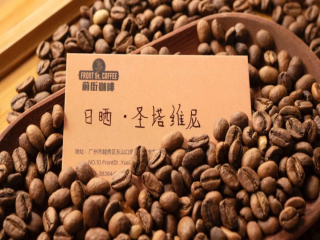
Ethiopian Sidamo all Red Fruit Sun Sun Santa Vini Coffee beans
Front Street Coffee: Sidamo Santavini 74158 Coffee country: Ethiopia Grade: G1 production area: Sidamo treatment Station: DWD Santa Veni treatment Station altitude: 2050 m treatment method: all red fruit sun varieties: 74158 flavor: pineapple, mango, blueberry, sweet orange DW

Rwandan coffee varieties with rich flavors. Fine coffee beans. Flavor description.
In 1999, 220 coffee growers formed a union in the Malaba area (formerly part of Butare province) to combat the disease. Many of its members are farmers separated from their loved ones by the 1994 massacre, and some have husbands jailed or brought before traditional gacaca courts to face trial on charges of involvement in the massacre. They named it Abbawuza.

Moderate alcohol Berman Manor in Kenya, the cultivation of boutique coffee beans, geographical location, climate, altitude is simple.
Kenyan coffee is mostly grown at an altitude of 1500m, 2100m, and is harvested twice a year. To ensure that only ripe berries are picked, people must tour the forest about seven times. Kenyan coffee is grown by small farmers. After they harvest the coffee, they first send the fresh coffee beans to the cooperative cleaning station, where the washed and dried coffee is covered with parchment beans.

Rwanda wash bourbon taste fragrance Rwanda coffee type and price
Professional baristas please follow the coffee workshop (Wechat official account cafe_style) Rwanda coffee, like many African countries, is mainly produced by small farmers, and the ripe coffee cherries are collected and sent to the processing station for processing every year at harvest time. During the annual harvest period, the ripe coffee berries picked by farmers are concentrated at the treatment station for treatment. they are first selected by hand to ensure that there is no immaturity.

Qianjie Cafe Rwanda Water Chinunu treatment Plant washed bourbon coffee beans
Details of coffee beans: country: Lake Kiev, Rwanda: Rutsiro, Kinunu treatment: washing grade: AA variety: bourbon species altitude: 1600 m roasting degree: moderate roasting plant: Chinunu treatment plant (Kinunu) [factory introduction] Rwandan coffee is mainly produced by small farmers, as in many African countries, and the coffee cherry is ripe during the annual harvest period.

Flavor characteristics of Ethiopian Guci Wulaga Coffee beans sharing of brewing parameters of toh washing champion coffee beans
Professional coffee knowledge exchange more coffee bean information please follow the coffee workshop (Wechat official account cafe_style) front street-Ethiopia Guji Uraga honey pomelo washing introduction Uraga town Uraga, is a very small coffee producing area, it is located near Sidamo, Ethiopia
Boutique coffee Rwanda coffee origin Rwanda coffee practice
Rwandans have been growing coffee since colonial times, but until 1999, its products were still classified as below Class C and were not popular in the global market. The reason for the poor quality is that farmers do not have a fixed procedure for washing coffee beans and do not process coffee fruits according to specifications in time. Buyers buy coffee beans at $0.33 per kilogram, and farmers keep warm by the meagre profits earned at low prices.
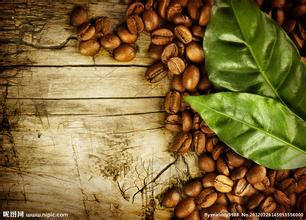
Boutique Coffee Rwanda Coffee Manor 1756 members small farmers
Rwandans have been growing coffee since colonial times, but until 1999, its products were still classified as below Class C and were not popular in the global market. The reason for the poor quality is that farmers do not have a fixed procedure for washing coffee beans and do not process coffee fruits according to specifications in time. Buyers buy coffee beans at $0.33 per kilogram, and farmers keep warm by the meagre profits earned at low prices.

Rwanda Coffee short Story about Rwandan Coffee
For more information on coffee beans, please follow the coffee workshop (Wechat official account cafe_style) Rwanda Coffee, the most popular African coffee after Kenya and Ethiopia. But unlike the two famous countries, it does not have a long history of planting, let alone native varieties everywhere in the wild. This small African country is a fire Phoenix that has been reborn. Lou

Ethiopia washed coffee beans 2020TOH champion Gujiulaga Uraga washed coffee
For more information on coffee beans, please follow the Coffee Workshop (official Wechat account cafe_style). In the 2020 TOH competition, the Sela Gejaba processing station from Gujiulaga, Ethiopia won the championship with 89.9 points. The champion coffee beans arrived in China in early December, and Qianjie Coffee was the first time to get these coffee beans.
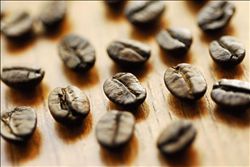
Fine coffee Rwanda Coffee introduces the characteristics of Rwanda Coffee
Rwandans have been growing coffee since colonial times, but until 1999, its products were still classified as below Class C and were not popular in the global market. The reason for the poor quality is that farmers do not have a fixed procedure for washing coffee beans and do not process coffee fruits according to specifications in time. Buyers buy coffee beans at $0.33 per kilogram, and farmers keep warm by the meagre profits earned at low prices.

Taste and flavor of Rwanda washed bourbon coffee characteristics of Rwanda washed bourbon
Professional baristas please follow the coffee workshop (Wechat official account cafe_style) Rwanda coffee, like many African countries, is mainly produced by small farmers, and the ripe coffee cherries are collected and sent to the processing station for processing every year at harvest time. During the annual harvest period, the ripe coffee berries picked by farmers are concentrated at the treatment station for treatment. they are first selected by hand to ensure that there is no immaturity.

Boutique coffee Rwanda coffee flavor red apple, cherry, cinnamon, honey
Rwandans have been growing coffee since colonial times, but until 1999, its products were still classified as below Class C and were not popular in the global market. The reason for the poor quality is that farmers do not have a fixed procedure for washing coffee beans and do not process coffee fruits according to specifications in time. Buyers buy coffee beans at $0.33 per kilogram, and farmers keep warm by the meagre profits earned at low prices.

Features and Flavors Sweet Coca Flavor
Koke Washing Station Koke Washing Station was established in 2011 and is located about 6 km southwest of Yirgacheffe Woreda town center at an altitude of about 1870-1900 meters. At present, there are 96 cooperative farmers in the treatment plant, all of which are inherited.